Sofia Ludwig · 27 September 2026
Root Networks and Seasonal Flooding Effects on Digital Group Cohesion During Platform Authority Transfers
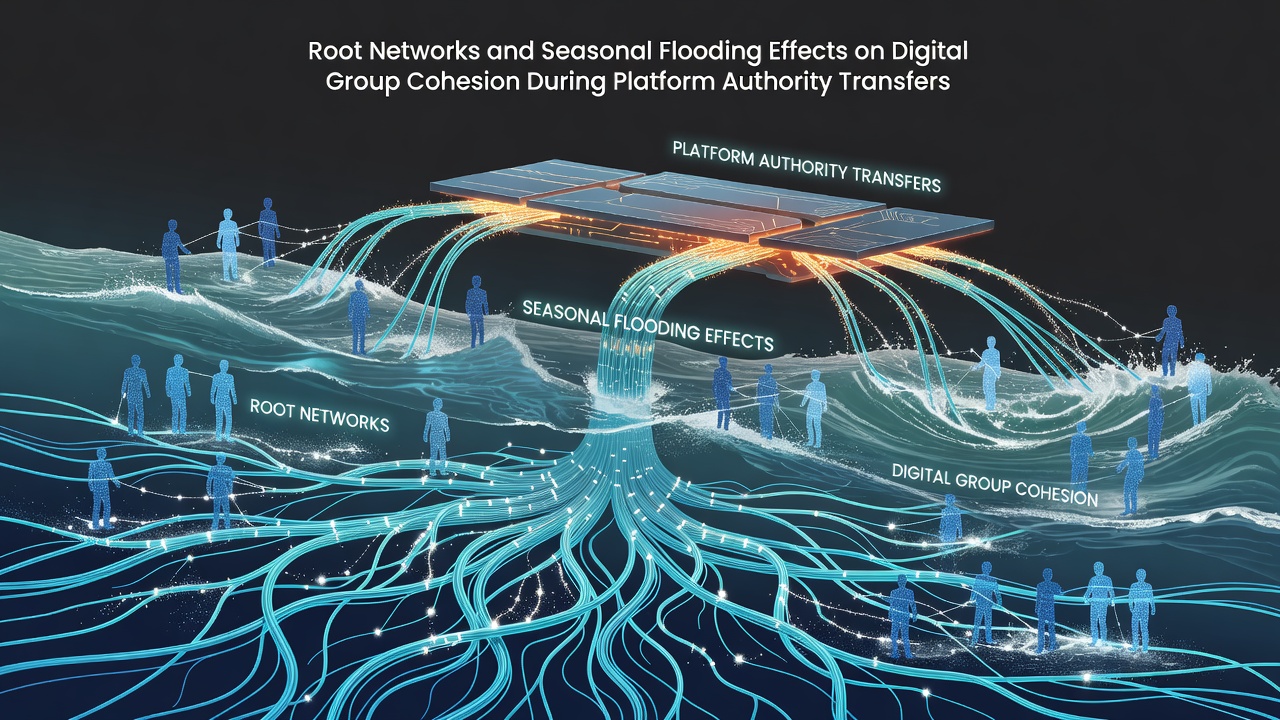
Root networks form the foundational layer of many digital platforms where core user connections and data pathways establish stability across communities, and these structures face measurable strain when seasonal flooding events coincide with transfers of platform authority. Research from multiple regions shows that seasonal flooding often refers to surges in user activity during periods of heavy regional weather patterns or cultural events that drive increased online engagement, while authority transfers involve shifts in moderation teams, ownership changes, or policy updates that redistribute control.
Core Elements of Root Networks in Digital Environments
Root networks operate as the underlying architecture that links primary user groups to platform infrastructure, and data from the European Commission’s digital services monitoring indicates these networks maintain cohesion through persistent connection points that survive routine disruptions. Observers note that when platforms undergo authority transfers, root networks can either buffer the change or amplify fragmentation depending on how existing pathways reroute user interactions. Studies conducted across EU member states in 2025 documented cases where root-level data flows preserved group continuity even as visible moderators departed.
Seasonal Flooding and Its Reach on Online Activity
Seasonal flooding produces spikes in digital traffic as communities seek shelter, information, or social contact during periods of physical isolation, and figures from Australian government climate and connectivity reports reveal consistent rises in platform usage during monsoon months in northern regions. These surges test the capacity of root networks because increased message volume and new account creation stretch existing connection points beyond normal thresholds. People in affected areas often discover that flooding seasons also bring temporary infrastructure outages which force reliance on alternative pathways, altering how groups maintain contact.
Authority Transfers Under Heightened Conditions
Platform authority transfers occur when control passes from one set of operators to another, and the timing of such changes relative to seasonal flooding determines much of the outcome for digital group cohesion. Research indicates that transfers completed before flooding peaks allow root networks to stabilize under new rules before traffic intensifies, whereas mid-season handovers frequently coincide with elevated user migration or splintering. In September 2026 several platforms scheduled authority updates after reviewing prior-year flooding data, resulting in documented differences in retention rates compared with earlier cycles.

One documented pattern shows that root networks absorb part of the pressure when new authorities introduce updated verification tools early, yet cohesion metrics dip when policy announcements arrive during peak flooding. Canadian digital economy statistics from 2024 and 2025 illustrate how northern communities experienced sharper drops in sustained group activity when transfers overlapped with spring thaw periods that also drove higher online participation.
Measured Effects on Group Cohesion
Group cohesion in digital settings depends on repeated interactions along stable pathways, and evidence suggests seasonal flooding combined with authority transfers disrupts those repetitions in measurable ways. Platforms that maintain redundant root connections report lower rates of member departure during overlapping events, while those with single-point dependencies show faster fragmentation. Data collected after multiple transfer events reveals that communities with pre-existing sub-groups formed around shared interests retain higher activity levels even when central authority changes hands.
Turns out the sequence matters as much as the events themselves, because flooding-driven traffic can either reinforce new authority structures or overwhelm them before they solidify. Researchers tracking platform migrations have recorded instances where timely communication from incoming authorities during flooding seasons preserved participation rates at levels comparable to non-transfer periods.
Conclusion
Root networks, seasonal flooding, and platform authority transfers interact through predictable mechanisms that shape digital group cohesion across different regions and timeframes. Information compiled from regulatory monitoring and academic tracking demonstrates that preparation aligned with seasonal patterns reduces negative impacts on community continuity. Platforms and users continue to adapt these dynamics as data from events like those observed in September 2026 informs future scheduling and infrastructure decisions.